


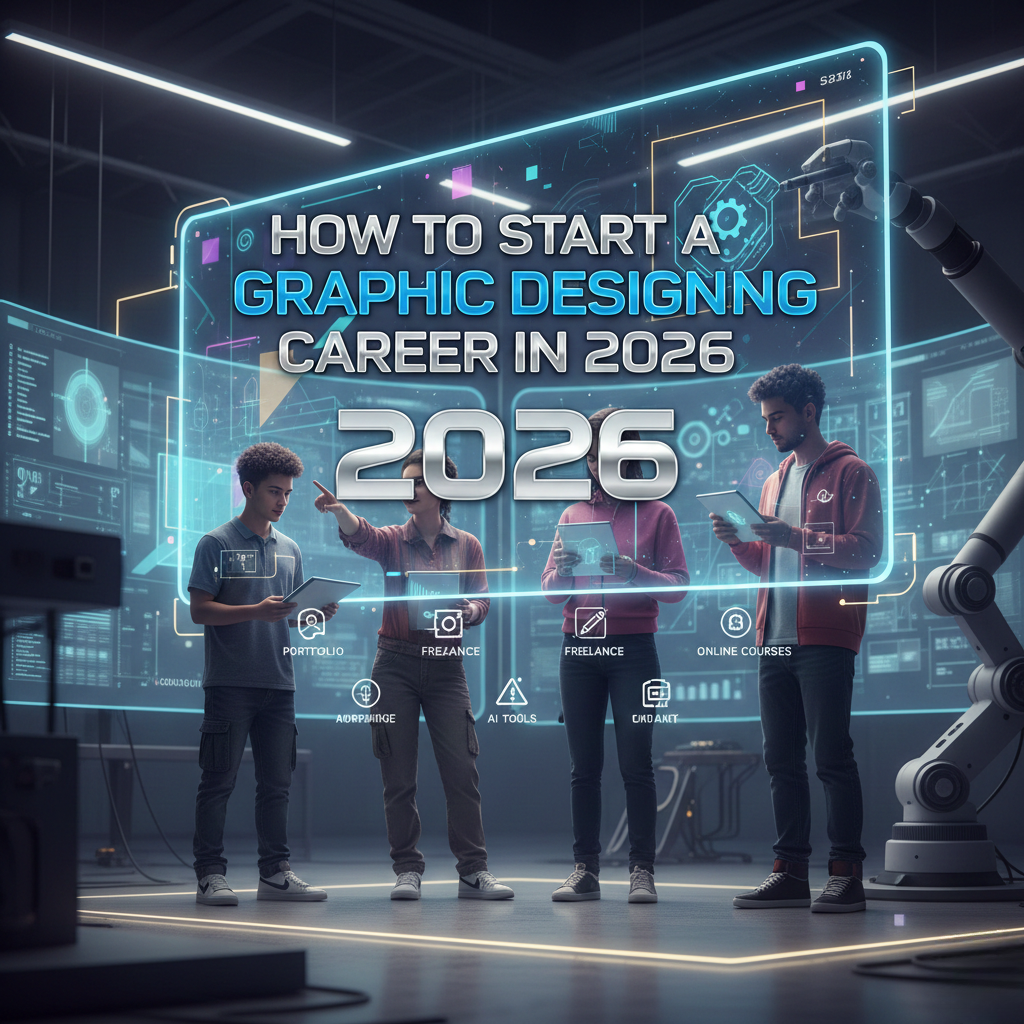
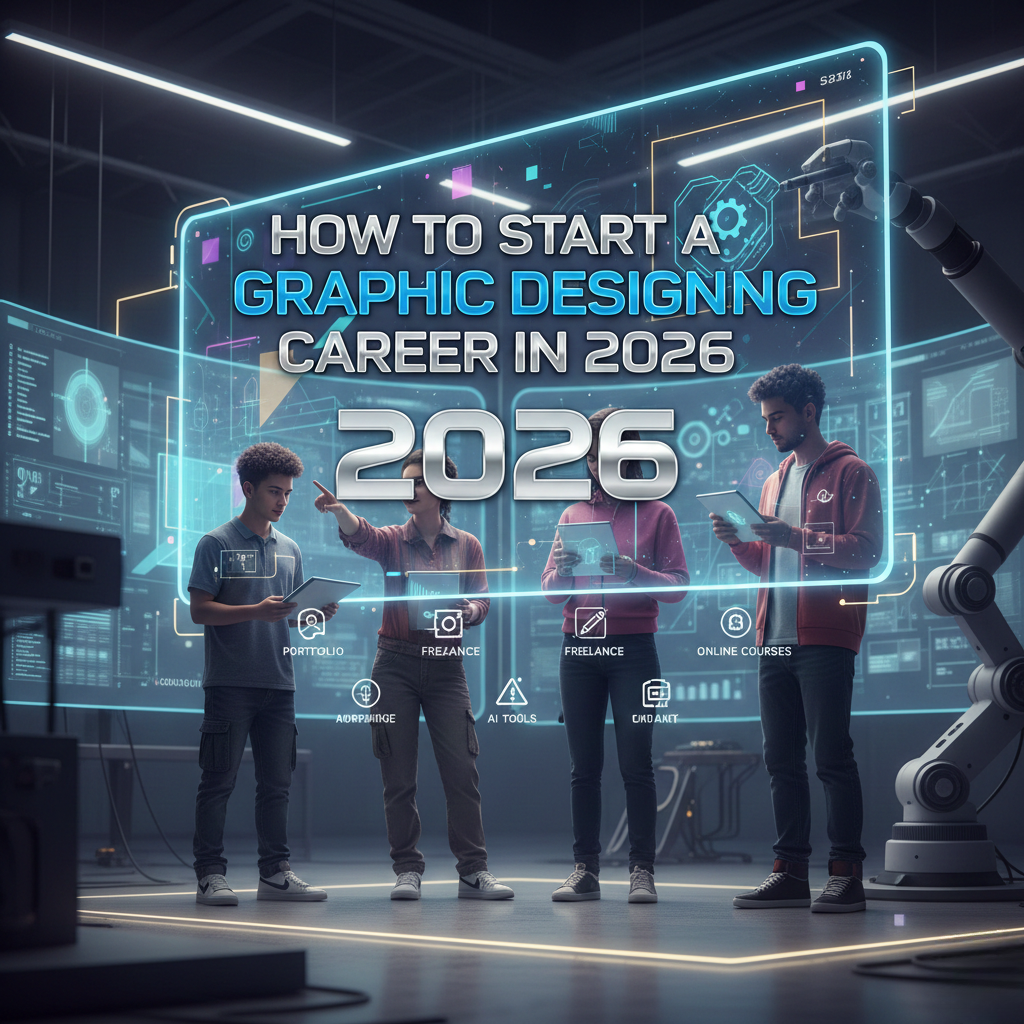
The world of visual communication keeps changing at an incredible rate, and as we delve into 2026, the need for professional graphic designers is stronger than ever. With businesses becoming digital and visually orientated, graphic design has become one of the essential skills throughout marketing, branding, advertising, product development, and user experience. If you are thinking about how to start your graphic designing career in 2026, this guide can help you make clear and practical steps towards confidently entering the graphic design profession.
1. Understand the Role of a Graphic Designer
Graphic designers convey messages visually through typography, layout, color, imagery, and composition. They produce everything from logos and packaging to social media graphics, website layouts, and marketing materials. Today's designers create across multiple digital platforms and often collaborate with marketers, product teams, and content creators. Understanding these expectations will help you prepare for real-world design challenges.
2. Building Strong Foundations: Getting the Tools Right
First, get acquainted with the most important design software in the industry. In the year 2026, these include :
Adobe Creative Cloud (Photoshop, Illustrator, InDesign)
Figma and Adobe XD for UI/UX design
Canva and Crello for quick designs and content creators
Procreate for digital illustration
Start with the very basics: typography, color theory, composition, and branding principles. Many online resources, like YouTube tutorials, Coursera courses, Skillshare classes, and LinkedIn Learning courses, help you learn foundational skills without a heavy cost.
3. Choose Your Design Specialization
Graphic design is a very broad field; hence, identifying a niche where you can apply your skills and serve best will help you stand out. Based on current market trends, here are some of the fastest-growing specializations for 2026:
Branding and logo design
Social media content design
UI/UX and web design
Motion graphics and animation
Packaging and product design
Illustration and character design
You do not have to decide right now, but exploring various areas will let you know about your strengths and other interests.
4. Build a Strong Portfolio
Your portfolio is worth more than any certificate. Your style, creativity, and problem-solving skills speak through your portfolio. If you are a fresher, include
Personal or practice projects
Redesigned versions of currently existing brand visuals
Case studies detailing your design process
Freelance or volunteer work
Aim for a minimum of 6–10 high-quality projects that showcase your skills. Create your portfolio in platforms like Behance, Dribbble, or your own website using Wix or WordPress.
5. Gaining Work Experience
Experience generates confidence and credibility. You can gain these by:
Offering services to small businesses, NGOs, or student groups
Completing internships or part-time jobs
Selling design templates or assets on marketplaces like Etsy, Creative Market, and Envato
Participate in online design challenges.
Every project counts and helps you grow professionally.
6. Promote Yourself and Build Your Network
This is where the secret to a successful design career lies: networking. Connect with online communities through LinkedIn, Facebook groups, Slack channels, or Reddit forums. Share your projects regularly on platforms like Instagram, TikTok, or Pinterest because these visually driven spaces are powerful in attracting clients.
Consider creating a personal brand and using social proof in the form of testimonials and client success stories.
7. Stay Updated and Keep Learning Design trends change in the blink of an eye. Upcoming technologies like AI-driven creative tools, 3D design, and motion graphics are revolutionizing the industry. Continuous learning helps one become competitive.



















Leave a comments: